


Iran Warns US Over Port Blockade Amid New Peace Proposal
- Thanahika Thanvi
- 2 days ago
- 3 min read

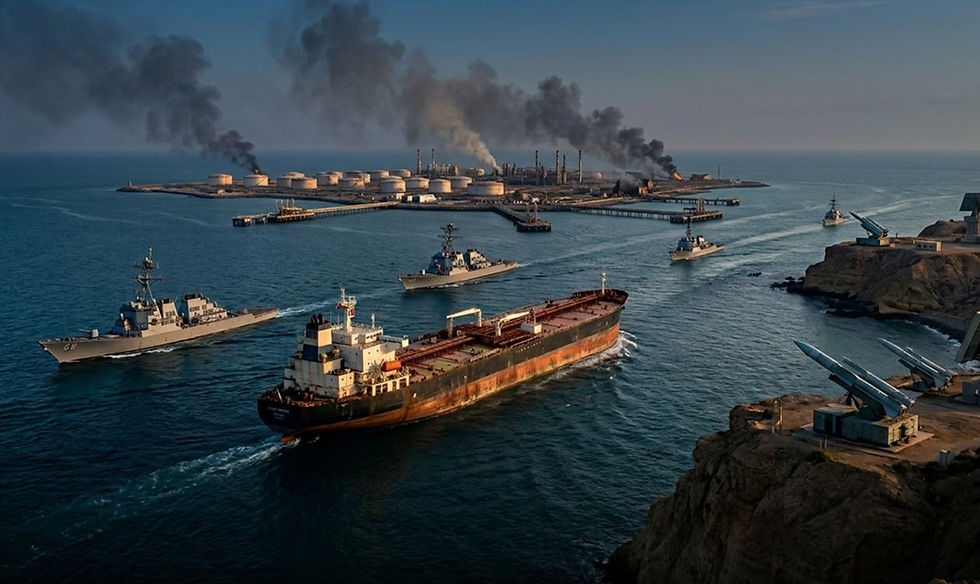
Iran Issues Strong Warning to US Over Naval Blockade
Tensions between Iran and the United States have escalated after senior Iranian official Mohsen Rezaei warned Washington to end what Tehran describes as a “naval siege” on Iranian ports. The remarks come amid renewed diplomatic efforts involving Pakistan to reduce tensions in West Asia.
Speaking on Iranian state television, Rezaei, a member of Iran’s Expediency Council and former commander of the Islamic Revolutionary Guard Corps (IRGC), said the US blockade of Iranian ports amounts to an “act of war.” He warned that continued pressure could lead to serious regional consequences.
“We advise the US military to end the siege before the Sea of Oman becomes your graveyard,” Rezaei stated during the televised address.
The warning marks one of Tehran’s strongest public responses since the United States imposed maritime restrictions on Iranian trade routes earlier this year.
Why the Iran-US Tensions Are Rising
The current crisis began after the United States reportedly tightened restrictions on Iranian shipping and port operations on April 13. President Donald Trump has maintained that the measures will remain in place until Tehran agrees to a broader peace framework under Washington’s conditions.
Iran, however, has rejected the pressure strategy and insists it will not negotiate under military or economic coercion. Iranian leaders continue to argue that the blockade threatens international trade stability and regional security.
Rezaei also claimed that prolonged disruption in the Gulf and Sea of Oman could negatively affect global shipping routes and energy markets.
“The longer they prolong the naval blockade of Iran, the greater the damage to countries around the world will be,” he added.
The Sea of Oman remains strategically important as it connects the Arabian Sea to the Strait of Hormuz, a critical oil transit route used by global energy suppliers.
Iran Signals Military Readiness
Despite ongoing diplomatic contacts, Iranian officials have emphasized that the country’s armed forces remain prepared for escalation if necessary.
Rezaei stated that Iran’s military is fully alert while diplomatic channels continue to operate simultaneously.
“Our armed forces have their finger on the trigger, and, at the same time, diplomacy continues,” he said.
The statement highlights Tehran’s dual-track strategy of maintaining military readiness while keeping negotiations open through regional intermediaries.
Security analysts believe the rhetoric reflects increasing pressure on both sides as ceasefire discussions remain fragile.
Pakistan Steps In as Diplomatic Mediator
In a significant diplomatic development, Pakistan has reportedly delivered a revised Iranian peace proposal to the United States. According to reports citing Pakistani sources, the proposal is aimed at restarting stalled negotiations and reducing tensions across West Asia.
Iranian Foreign Ministry spokesperson Esmaeil Baghaei confirmed that Tehran’s updated position had been communicated to Washington through Pakistan.
The diplomatic outreach comes after President Trump recently claimed that the existing ceasefire arrangement with Iran was “on life support,” raising concerns over a possible collapse of negotiations.
Pakistan’s involvement is being viewed as an attempt to prevent further military escalation and create space for renewed dialogue between Tehran and Washington.
Global Concerns Over Regional Stability
The growing confrontation has triggered concerns among global powers and energy markets. Any disruption in the Sea of Oman or nearby waterways could impact international oil shipments, trade flows, and regional security dynamics.
Experts warn that continued hostility between Iran and the United States could increase instability across the Middle East, particularly around key maritime routes.
Several international observers have called for immediate diplomatic engagement to avoid further escalation and maintain stability in global shipping corridors.
What Happens Next?
The future of Iran-US relations now depends heavily on whether diplomatic efforts through Pakistan can revive meaningful negotiations. While Tehran has signaled openness to dialogue, Iranian leaders insist that Washington must first demonstrate trust and reduce pressure tactics.
At the same time, military warnings from Iranian officials suggest that tensions at sea could intensify if no political breakthrough is achieved soon.
With both diplomacy and military readiness unfolding simultaneously, the coming weeks may prove critical for regional peace and international security.


Comments